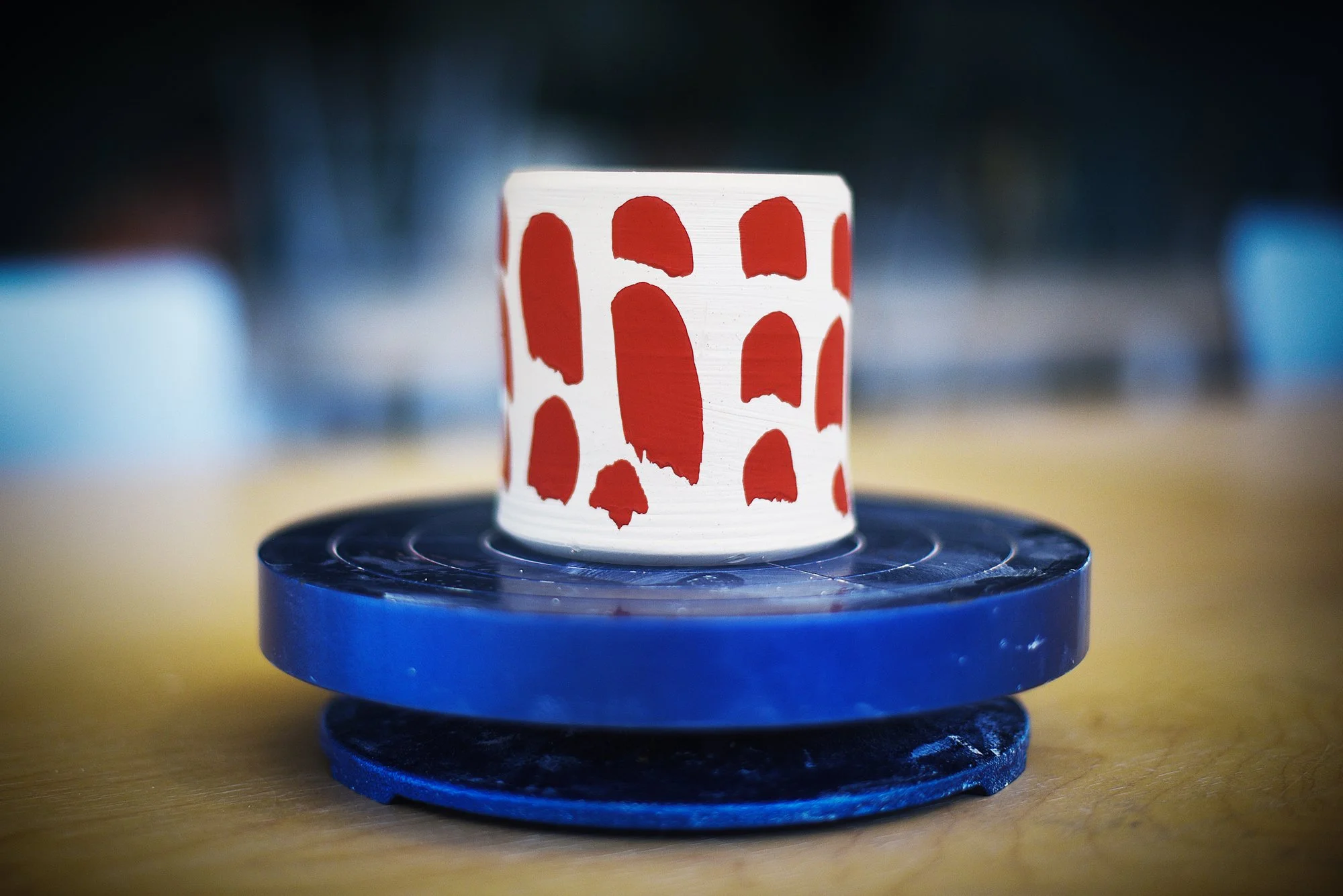
when a hobby is more than a hobby
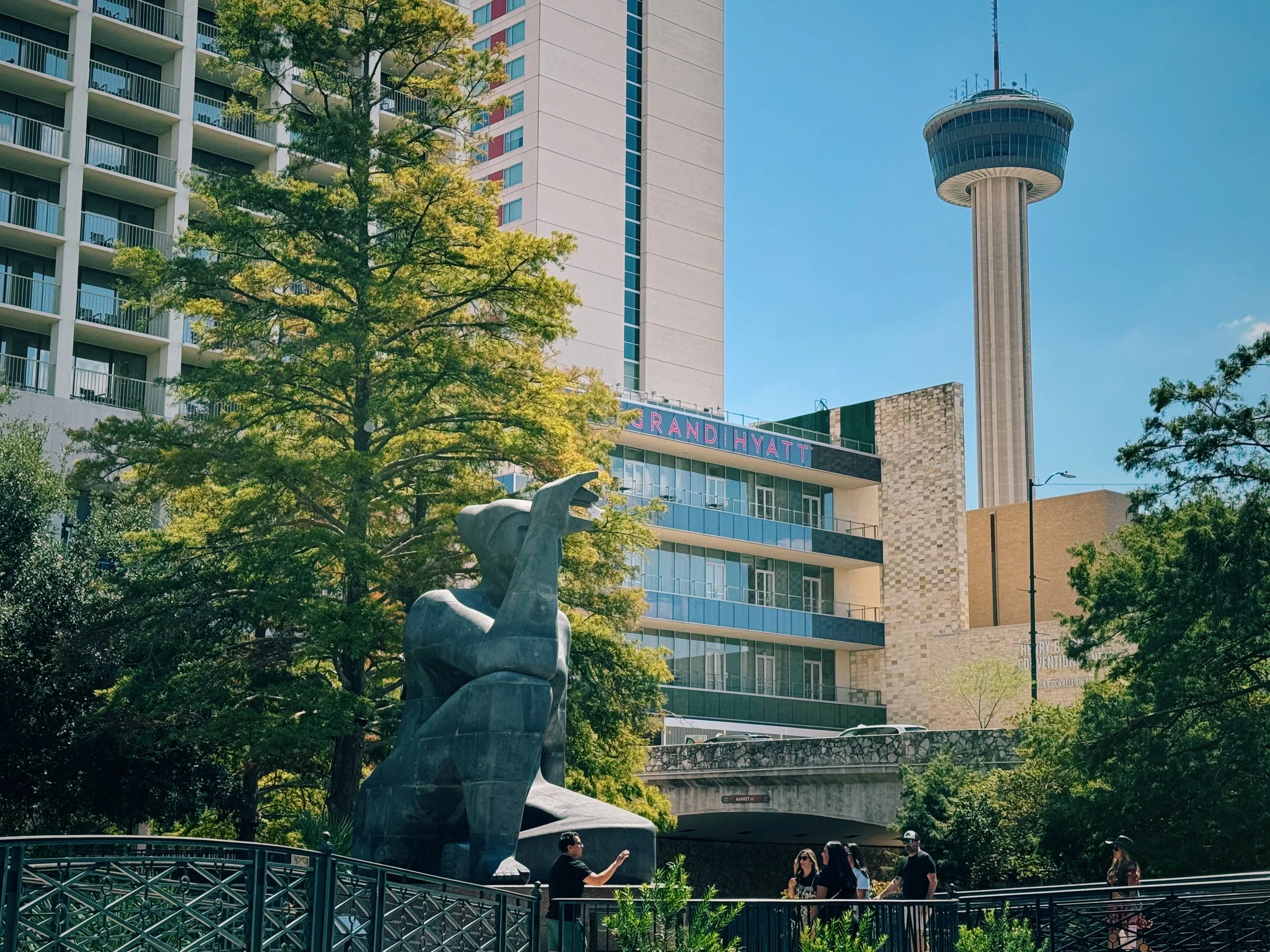
As I write this, I’m sitting on a luxury bus (I mean, it’s a bus, “luxury” is doing a bit of heavy lifting there, honestly), on my way to San Antonio for a book launch event at my friend Jenny’s bookstore. I’ve known Jenny since my considerably adult child was a toddler, which is to say that I’ve known her since well before she sold her first New York Times bestseller, up through and including her creating one of the most charming bookstores this side of the Pecos. Pro tip: when planning a multi-state tour, be sure you include stops like Nowhere Bookshop, where walking in feels like coming home. You heard it here first.
Since In Defense of Dabbling dropped last week, I’ve been extroverting more than usual, between book tour stops and back-to-back podcast, Substack Lives and other media interviews. At some point in the middle of the week, I got the bright idea to ask my interviewers about their own ventures into dabbling — what, I asked, was captivating their minds and time these days? Their answers didn’t disappoint.
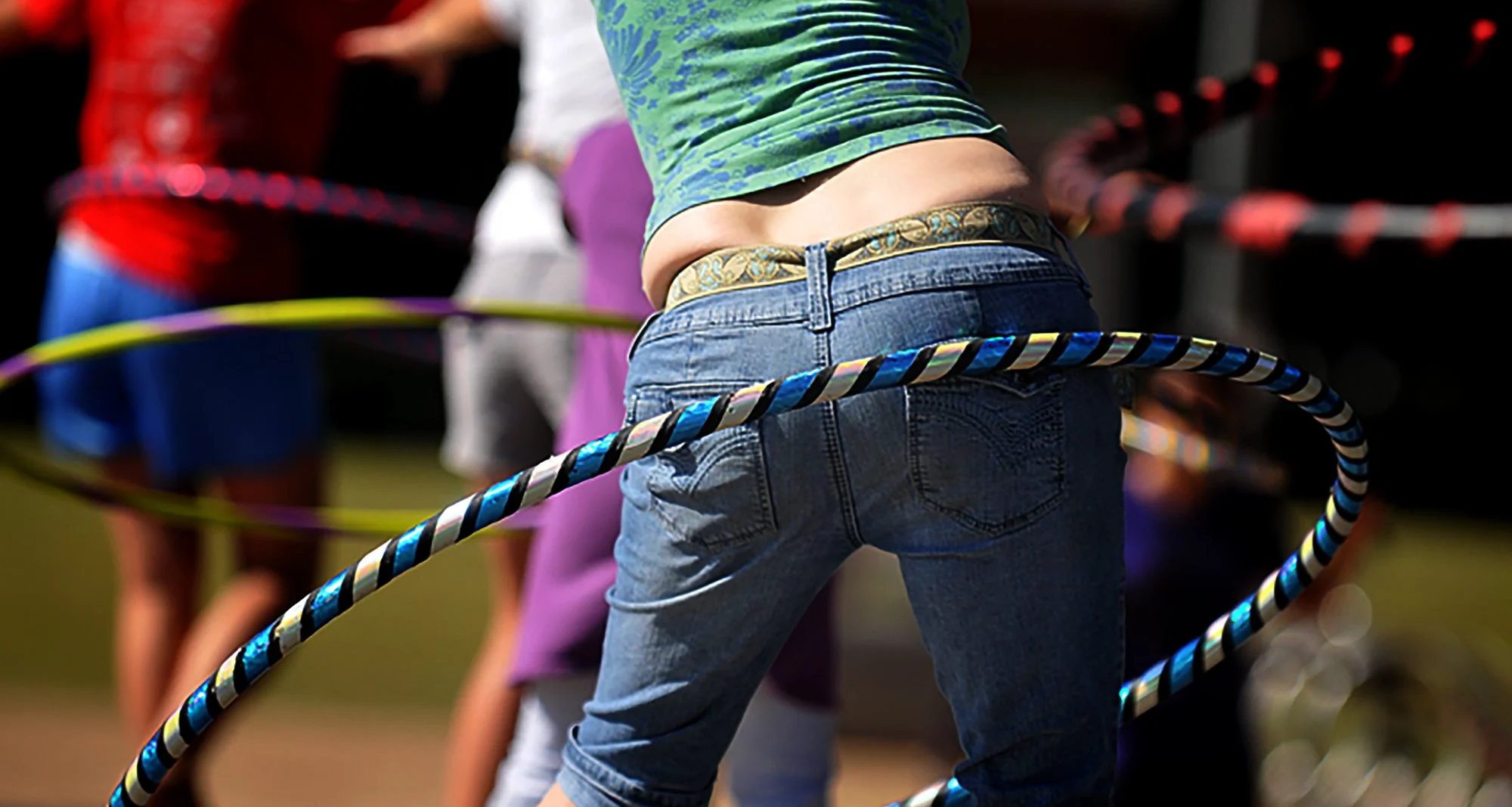
My friends, there are oil painters and urban sketchers. There are surfers and guitar players. Rock climbers and salsa dancers. A unicyclist. Even Jenny is a haunted dollhouse builder. Everywhere, there are people who are creating moments of joy in their lives, despite the politics and capitalism and genocides and authoritarianism and just general crazy in the world. It was delightful to hear.
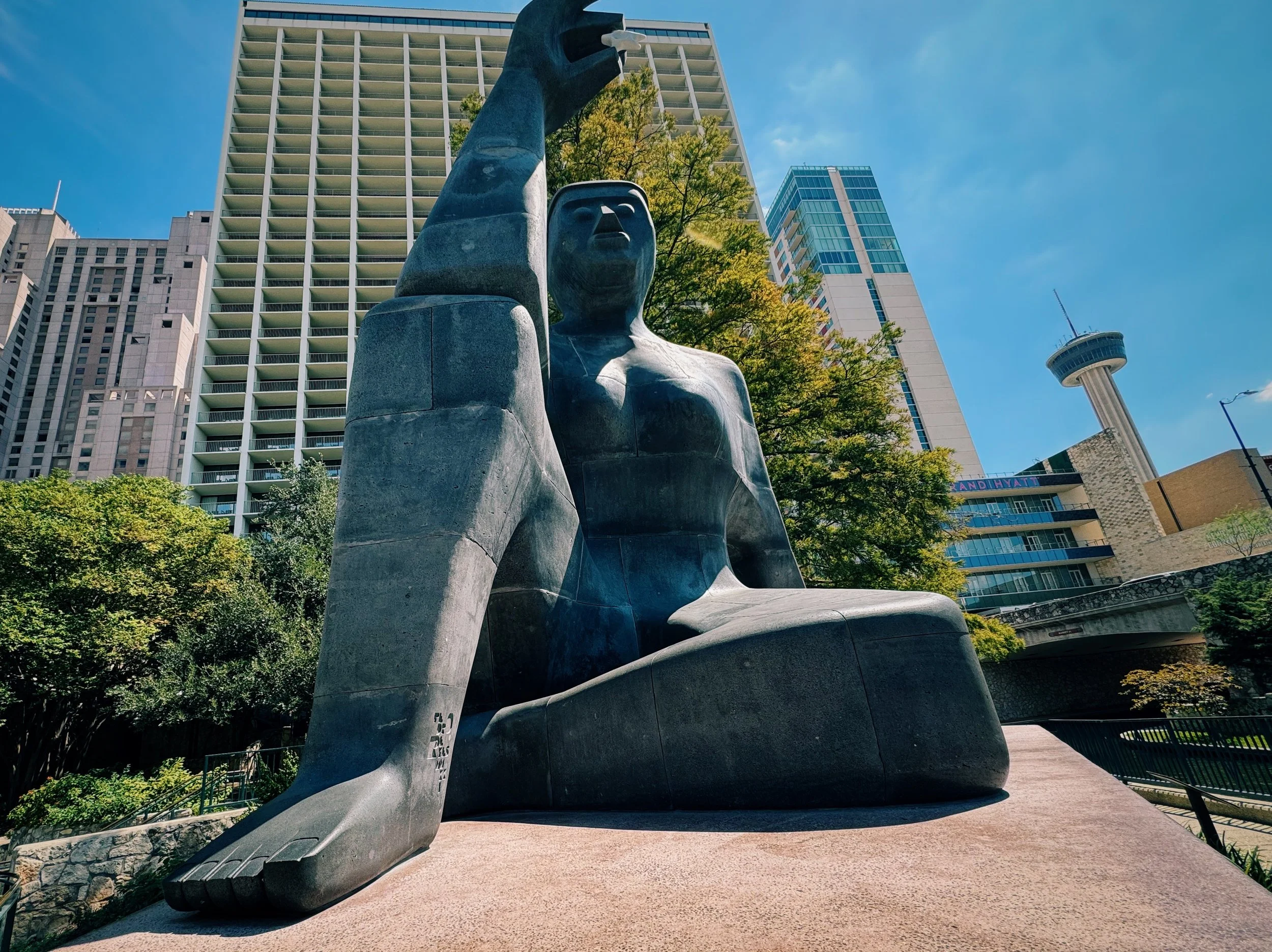
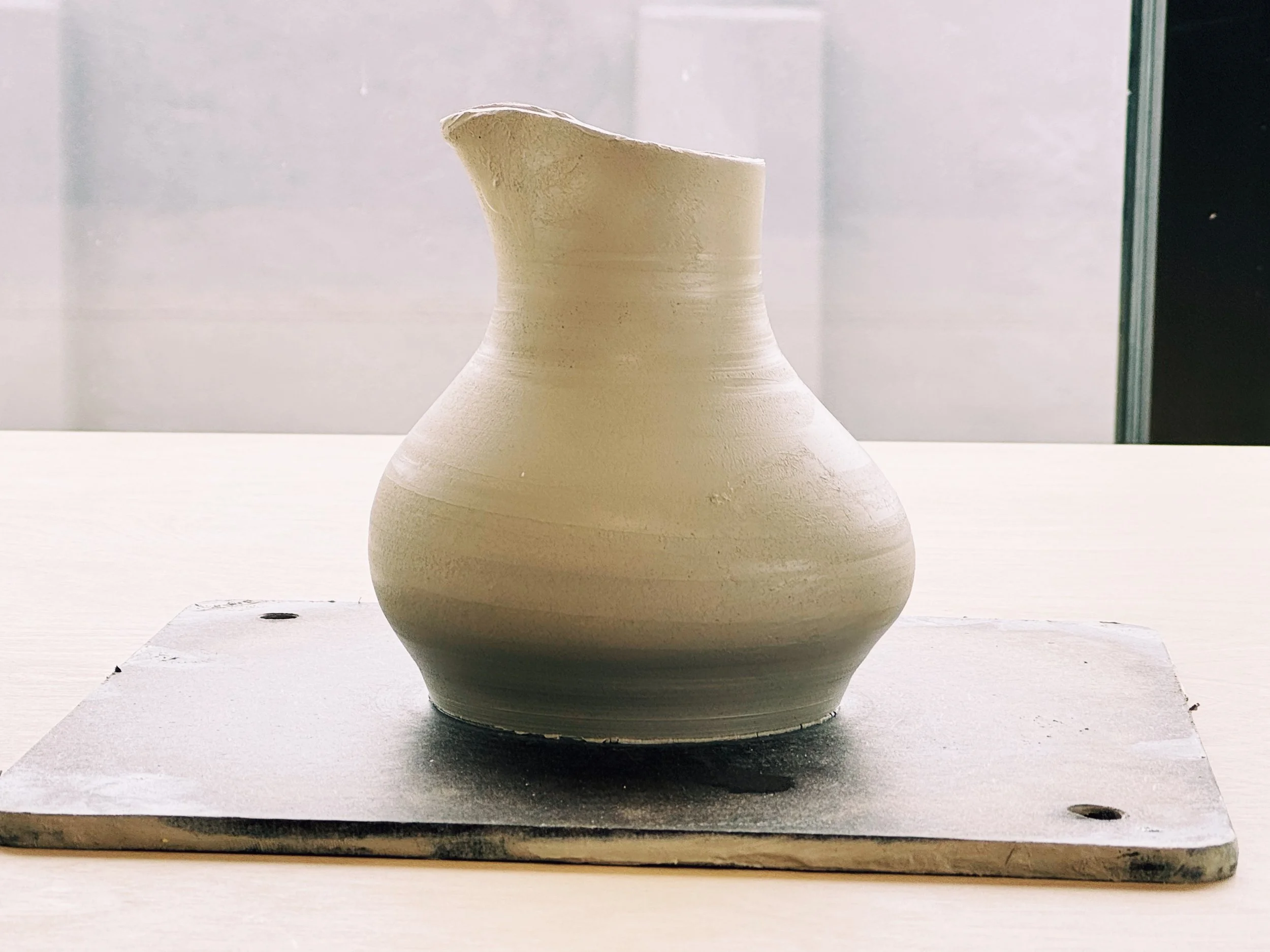
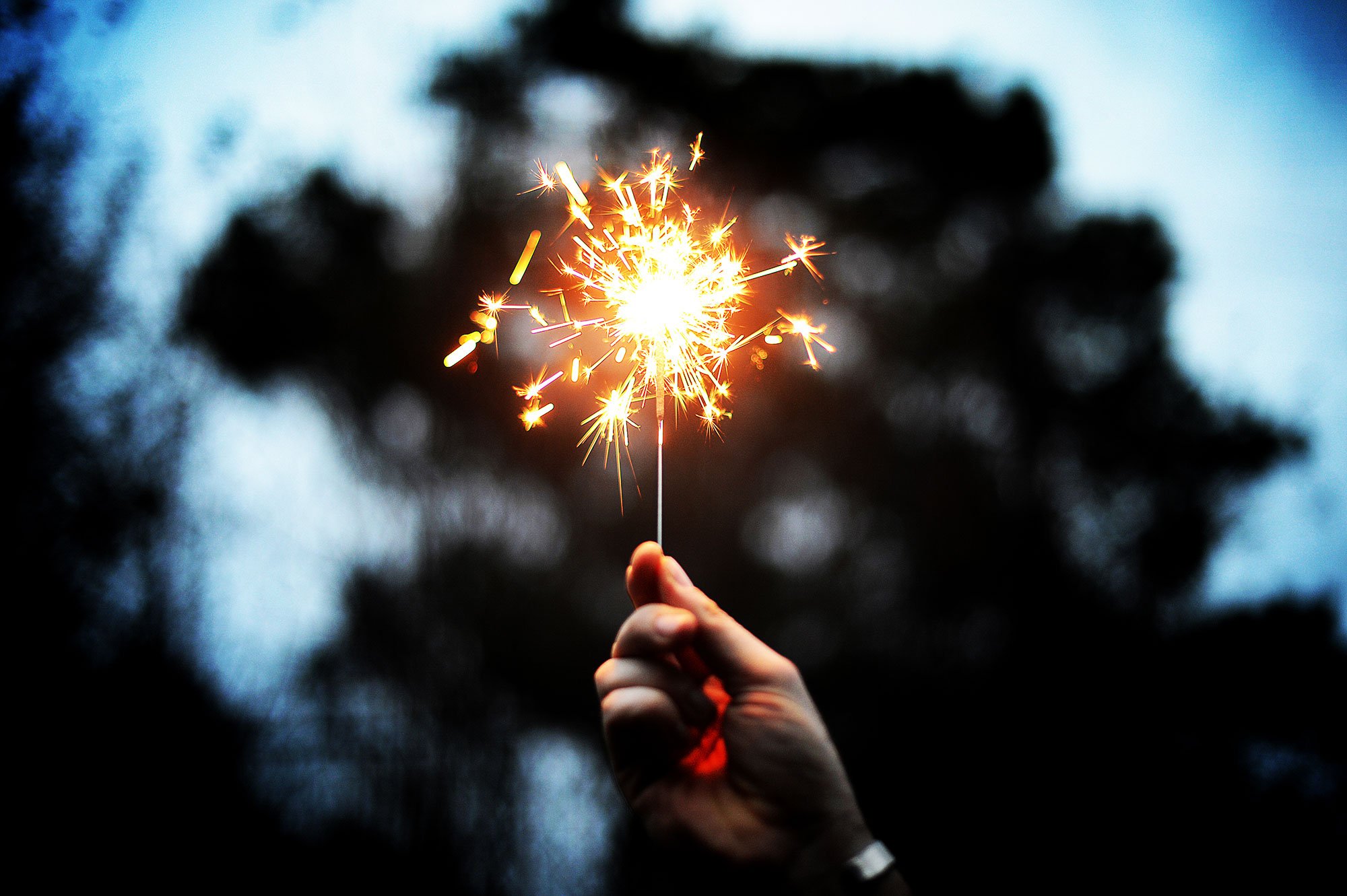
“Stargazer” by Pedro Reyes
What’s funny, though, is when I asked the question, many paused to think about it, as if they couldn’t remember what they did. “Oh,” they’d say, “I guess I play a little piano …” It was as if their hobbies — these things they were drawn to doing, even though they didn’t get paid to do them — were somehow inconsequential.
But, oh, my friends, they are anything but. These things that we do — the rock climbing, the geocaching, the knitting, the sourdough-bread-baking — they matter. These seemingly insignificant pastimes that we engage in, particularly if we create a cadence of returning to them, are pathways to self-compassion. Even self-transcendence. They return us to ourselves.
It’s like that famous quote:
“Civilization is a stream with banks. The stream is sometimes filled with blood from people killing, stealing, shouting, and doing things historians usually record; while on the banks, unnoticed, people build homes, make love, raise children, sing songs, write poetry, and even whittle statues. The story of civilization is the story of what happened on the banks. Historians are pessimists because they ignore the banks of the river.”
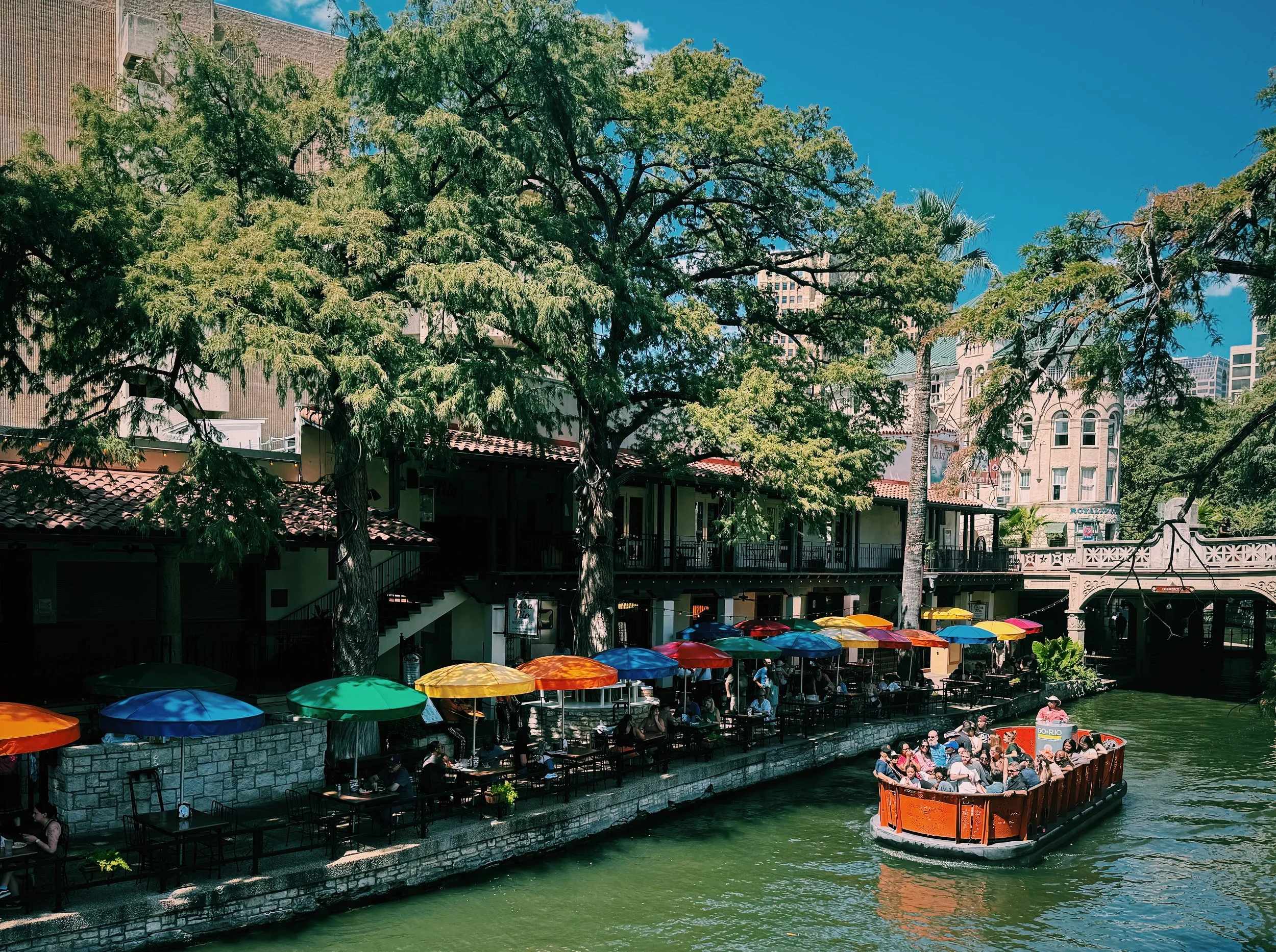
Friends, when we take the time to return to our avocational loves (“amateur” means “one who loves,” after all), we are building civilizations. We are creating a story of joy and rest and connection and curiosity and wonder and awe that is rarely recorded, but, I’d argue, critical to our survival. So here’s to dabbling without guilt.
Because the world needs more people who love.